EdSurge’s Year in Review: The Top 10 K-12 Stories of 2019
December 26, 2019

Balodann / Shutterstock
Here at EdSurge, we’ve had a busy year—and so have our readers. From a readership perspective, it was our most popular year to date. At the top of the heap were many stories focusing on research and evidence-based practices. (As ever, neuroscience was an enduring favorite.)
The following stories offer a glimpse into how teachers, school leaders and researchers are using what we know about how people learn to improve schools and student outcomes that go beyond test scores, such as suspension rates and even the number of hours kids sleep at night. Features like these are an important part of our coverage, and you can expect many more of them in the new year.
Like last year, we’ve also added a selection of editor’s picks—our favorite stories, op-eds and investigations from the past year spotlighting how the education system is meeting a diverse array of challenges. Happy New Year!
10. Everyone Has Invisible Bias. This Lesson Shows Students How to Recognize It. by Jacquelyn Whiting

When a group of tenth graders turned in essays using politically slanted sources, media specialist Jacquline Whiting knew it was time for a lesson on the dangers of bias confirmation. So she created one. By removing words from a well-written op-ed and asking students to fill in the blanks, she showed them that there’s power in word choice—even when differences are subtle.
9. Dude, Where’s My Purpose? Ashton Kutcher on Today’s ‘Abysmal’ Schools by Stephen Noonoo
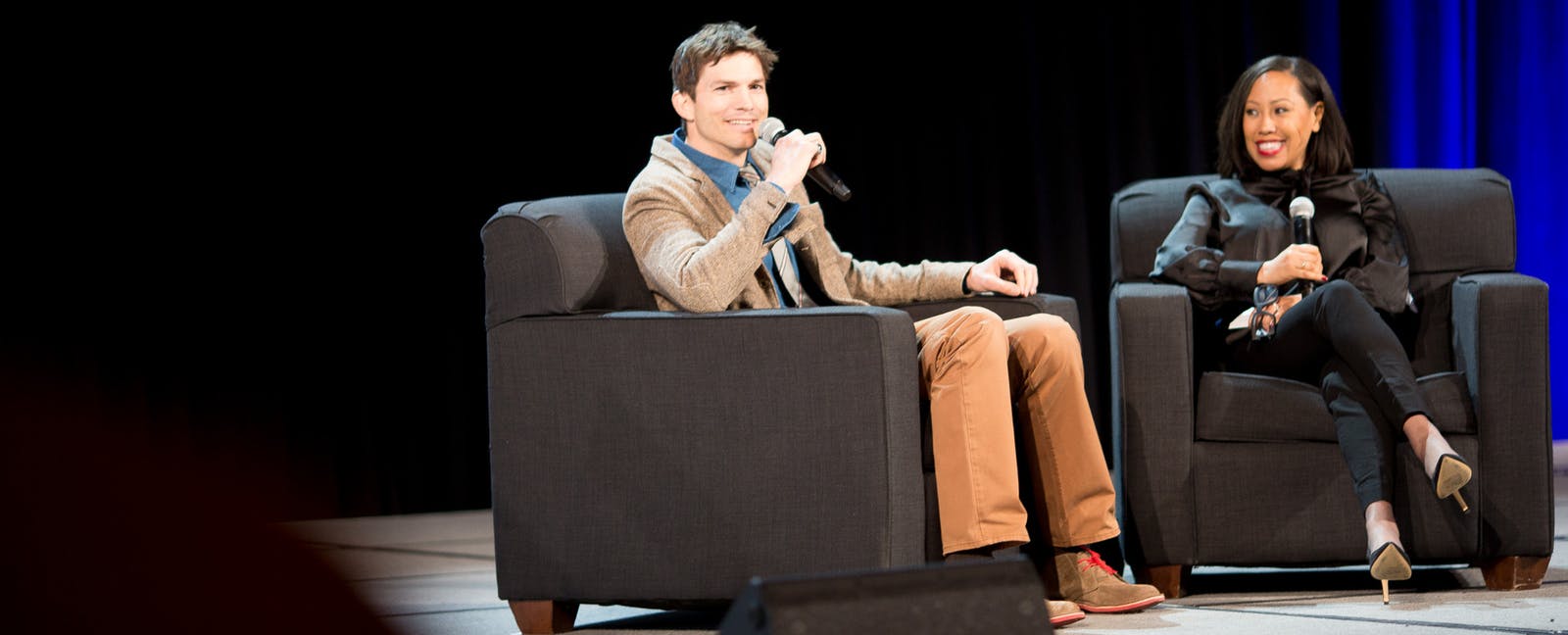
Actor and investor Ashton Kutcher closed ASCD’s flagship conference with a confusing conversation on helping kids find purpose. Jam-packed with personal anecdotes and plugs for his investment companies, Kutcher dug deep to connect with educators, and shared why he’d call up Elon Musk if he had a school.
8. Using Neuroscience to Launch a Research-Informed School Schedule by Glenn Whitman
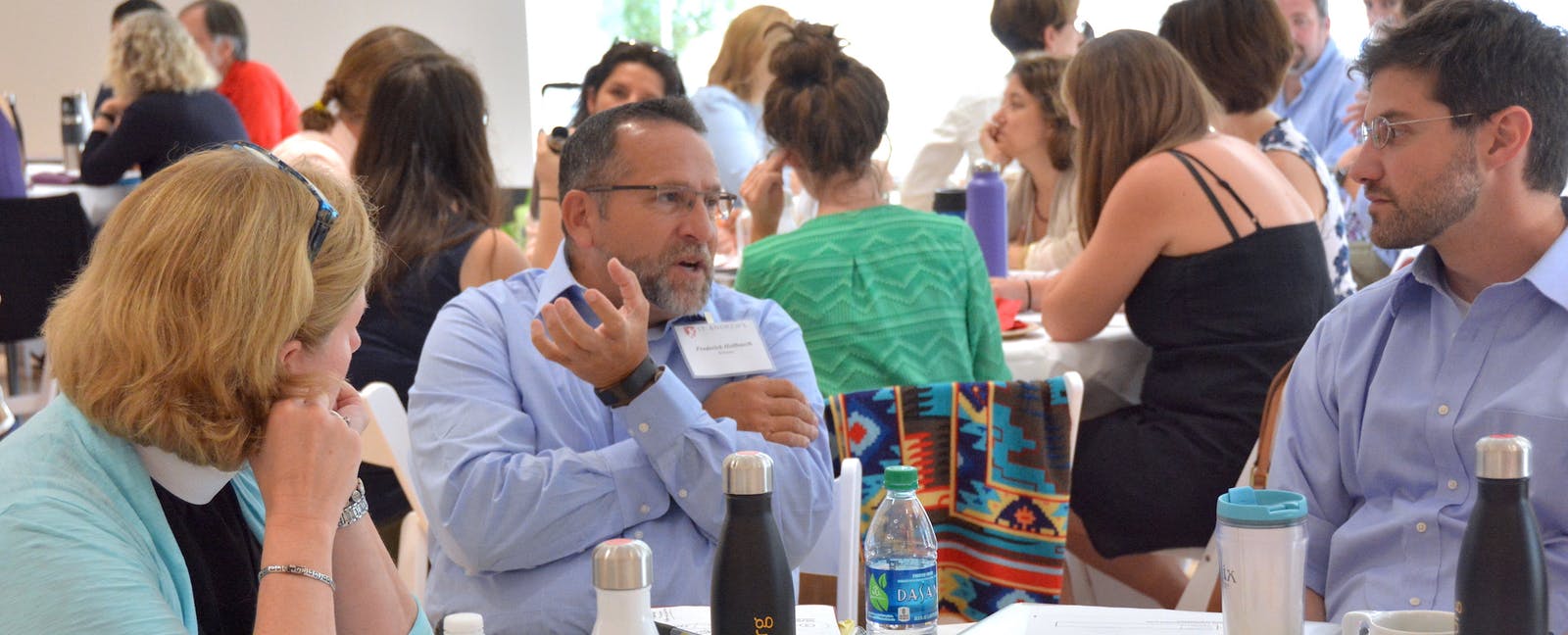
Ten years ago, St. Andrew’s Episcopal School redesigned its daily schedule to longer but fewer classes, and a later start time—so kids can get more sleep. But the plan never moved beyond the design phase. Now the school is trying again. This time it’s rooted in neuroscience research to boost engagement, memory and emotional development.
7. Why Social-Emotional Learning Is Suddenly in the Spotlight by Emily Tate
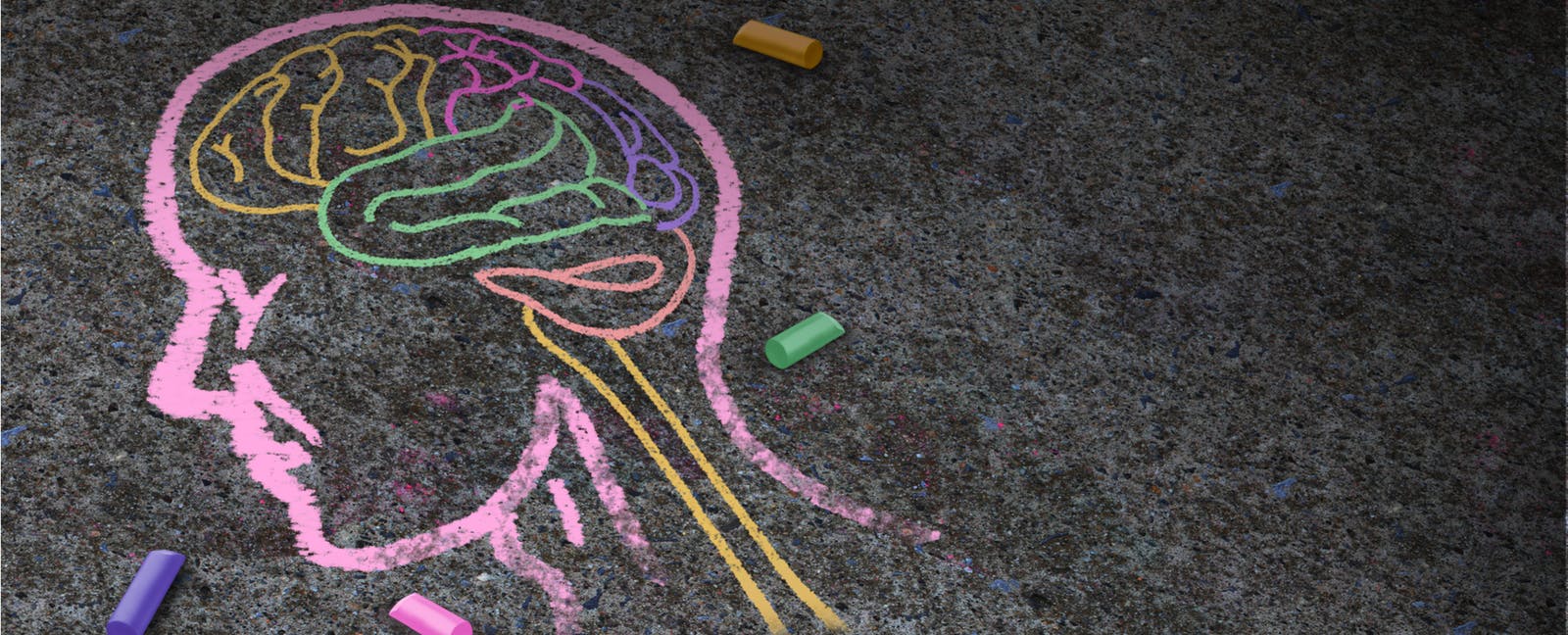
Social-emotional learning has been around for years. So why has it attracted so much attention and action lately? Christina Cipriano, director of research at the Yale Center for Emotional Intelligence, breaks down what SEL is, where it came from, how to teach it and why it’s particularly useful for traditionally underserved populations.
6. A Simple Switch at the College Board Could Mean More Equitable AP Exams by Emily Tate

Students can now register for AP exams in the fall, rather than having to wait until spring—just before the exams are held. It’s a simple, seemingly inconsequential change, but in pilot studies, it has led to more underrepresented and low-income students taking AP exams. Here’s why.
5. When Zero-Tolerance Was Failing Students, This School Turned to Restorative Justice by Emily Tate
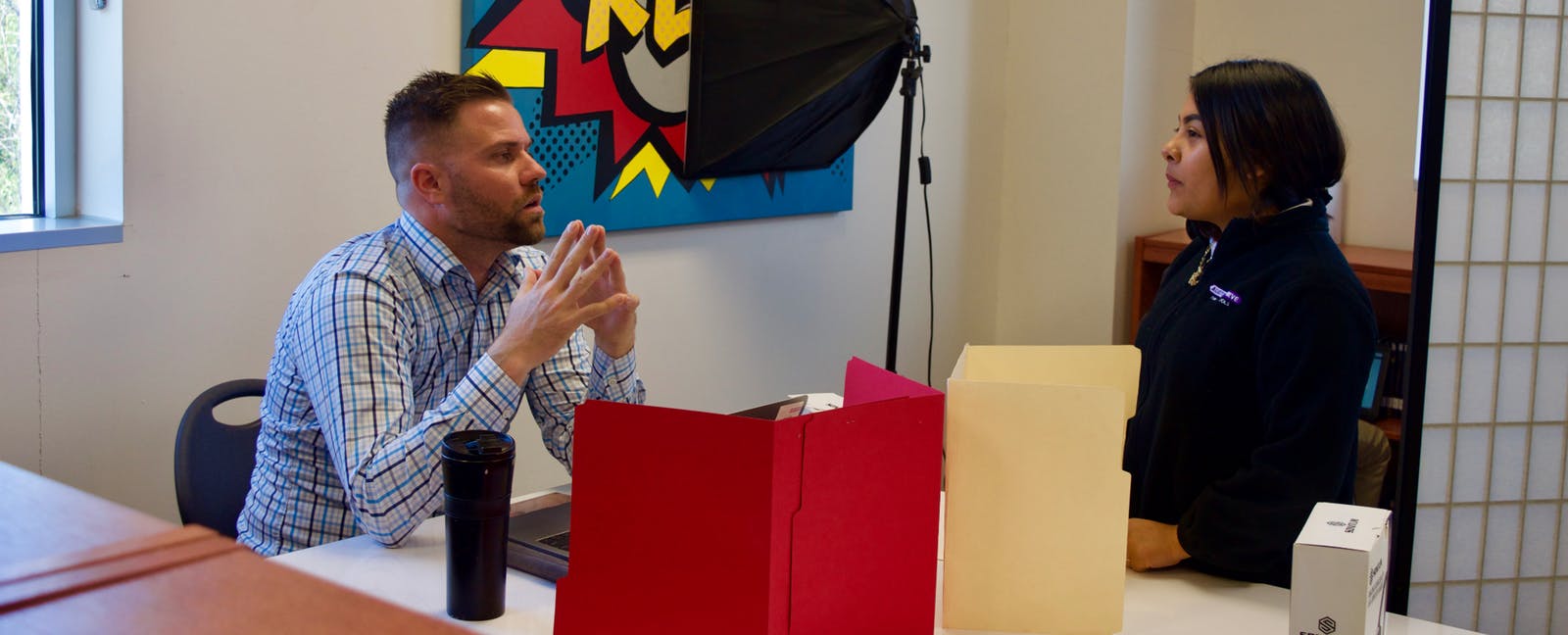
At most schools, when students act out, they are suspended or expelled. But when eighth-grader Luz Annette got into a fight at Austin Achieve, the charter school instead provided counseling, group therapy and mindfulness training—part of its homegrown restorative justice program. It’s an alternative disciplinary approach that’s changing how students resolve conflict and manage emotions.
NEWSLETTERS
STAY AHEAD IN EDUCATION.
Sign up for EdSurge newsletters for timely news, insights and analysis.
4. A New Approach to Discipline Slashed Suspension Rates and Transformed This DC School by Emily Tate
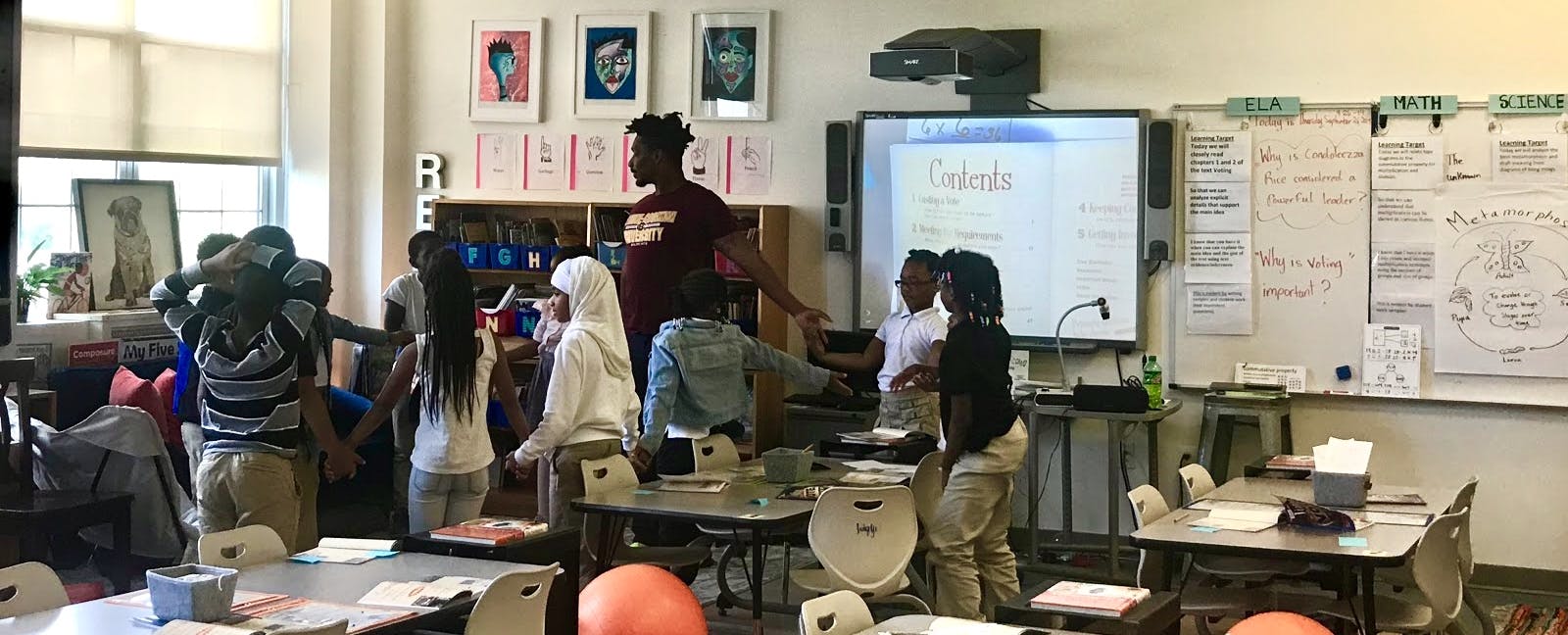
When new staff arrived to Langley Elementary in 2016, the school's suspension rate was at 66 percent and physical altercations were not uncommon. Then came a social-emotional learning approach called Conscious Discipline. Three years and a top-to-bottom transformation later, the school is unrecognizable. We visited the school to see what changed and how the new approach works.
3. Why Struggle Is Essential for the Brain — and Our Lives by Jo Boaler
Struggle may be painful for the heart. But it’s essential for our brains—and our lives—argues Jo Boaler, a Stanford University education professor and co-founder of YouCubed. “Neuroscientists have found that mistakes are helpful for brain growth and connectivity,” she writes, “and if we are not struggling, we are not learning.”
2. I’m a Neuroscientist. Here’s How Teachers Change Kids’ Brains. By Martha Burns

According to neuroscientist Martha Burns, teachers change kids’ brains. The “how” has to do with the way the brain fine-tunes itself to adapt to new experiences. Even as we age, the brain is always changing—and just by adding a few simple practices involving content, intensity and methodology, teachers can have a huge impact.
1. Many Frustrated Teachers Say It’s Not Burnout — It’s Demoralization by Stephen Noonoo

Danielle Arnold-Schwartz knew she wasn’t burned out by teaching, but she also knew she wasn’t happy. It turns out she was experiencing “demoralization,” which some experts say it’s a major cause of teacher dissatisfaction—and the growing teacher shortage. At a time when the profession is facing major systemic challenges, is it possible to feel like a good, moral teacher again?
Editor’s Picks
When an Online Teaching Job Becomes a Window into Child Abuse by Emily Tate
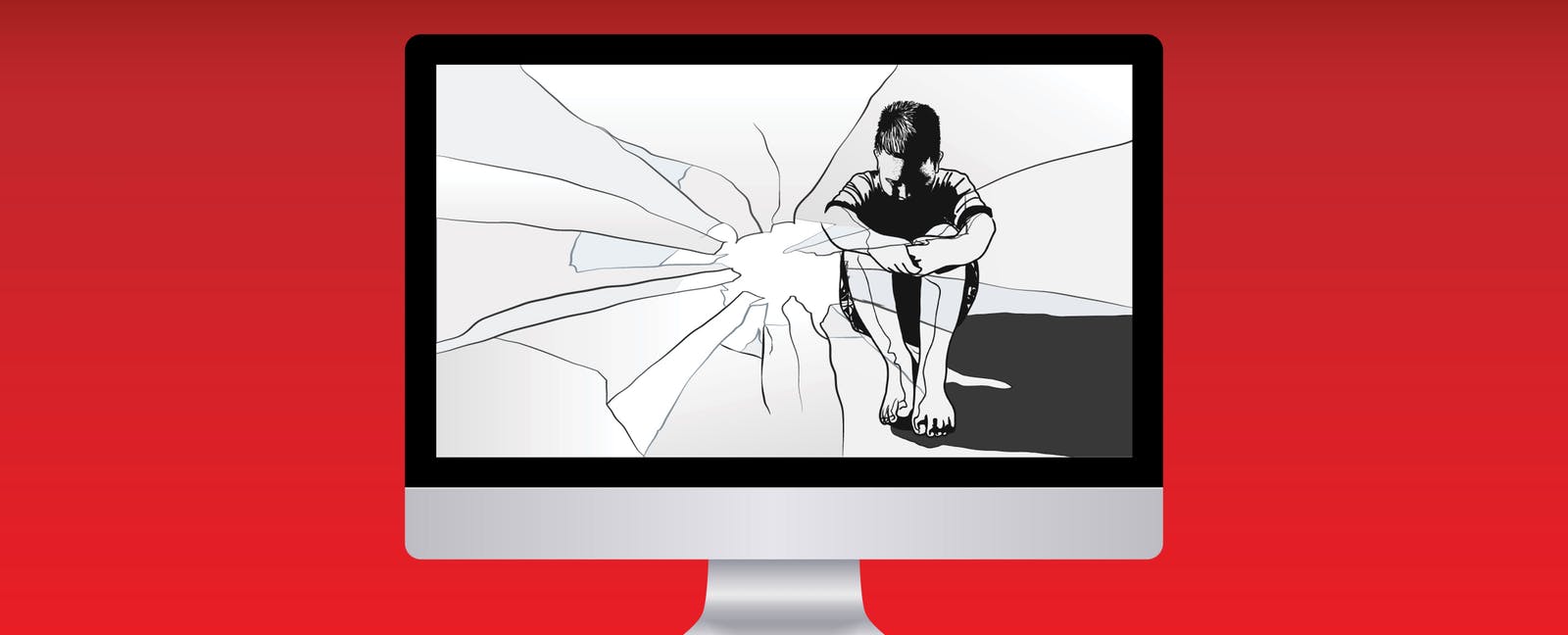
The world of online tutoring is growing fast, especially on platforms developed to connect students in China with teachers in the U.S. But in some cases teachers say they're witnessing something unexpected as they peer into faraway homes: harsh physical discipline that they describe as abusive. What can they do to respond? What should the companies do? Our six-month investigation revealed a dark side to a booming industry.
How Intrinsic Motivation Helps Students Manage Digital Distractions by Ana Homayoun

Teenagers are overwhelmed juggling school work along with their online and offline lives. But the good news is that they are aware of the issue and want help managing it all. Here’s how schools can tap into students’ intrinsic motivation to manage digital distractions—and what adults can do to help.
Here’s Why Teachers Adopt New Tech — and Why They Don’t by Teagan Carlson

During Teagan Carlson’s 14 years as a teacher, she was pitched more edtech tools than she could count. But very few made it into her classroom. “If the technology does not offer a clear benefit, I’m not going to look into it any further,” she writes. Here are the questions every teacher should ask before entertaining another pitch.
Why America Needs More Black Male Teachers by Kimberly Underwood
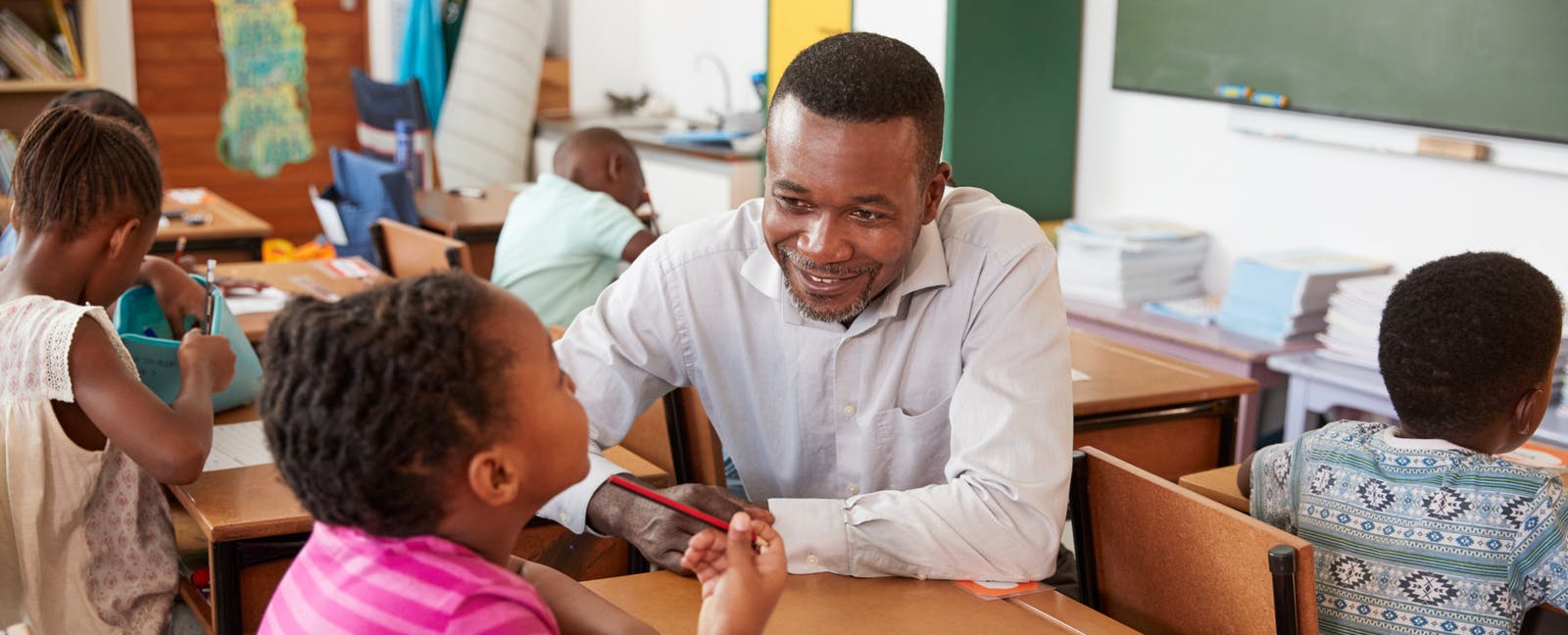
Just two percent of all teachers are Black males, a startling lack of diversity that negatively impacts all students, writes researcher Kimberly Underwood. That’s due to a leaky pipeline for recruiting and retaining these teachers. Increasing representation is urgent, she argues, considering the many benefits of Black male teachers in today’s classrooms.
How a Prescription Pill Emergency Woke up Our School Community to a Mental Health Crisis by Amy Mason

Four ambulances showed up at Madison County Elementary School after a student doled out stolen prescription Lyrica pills to her friends during class. The experience led the school community to recognize the need for mental-health supports. Principal Mason, who was new to Madison at the time, shares how research helped her staff better support students.
Stephen Noonoo (@stephenoonoo) is K-12 editor at EdSurge where he frequently works with contributing writers. Reach him at stephen@edsurge.com.
Popular on EdSurge
News
Hundreds of Thousands of Eligible Kids Are Waiting for Childcare Assistance
Moriah Balingit and Lauren CoffeyNews
A Principal and a Student Reviewed the New ChatGPT for Teens. They Had Plenty to Say
David WeldonRead Next
Voices of Change
Artificial Intelligence
Protecting Student Cognition in the Age of AI
Voices of Change
Artificial Intelligence

News
EdSurge Podcast
Supporting Early Childhood Educators

News
EdSurge Podcast