Why Kindergarten Shouldn’t Feel Like Starting Over
On “This Week with EdSurge,” two guests explain how early educators build belonging.
November 25, 2026
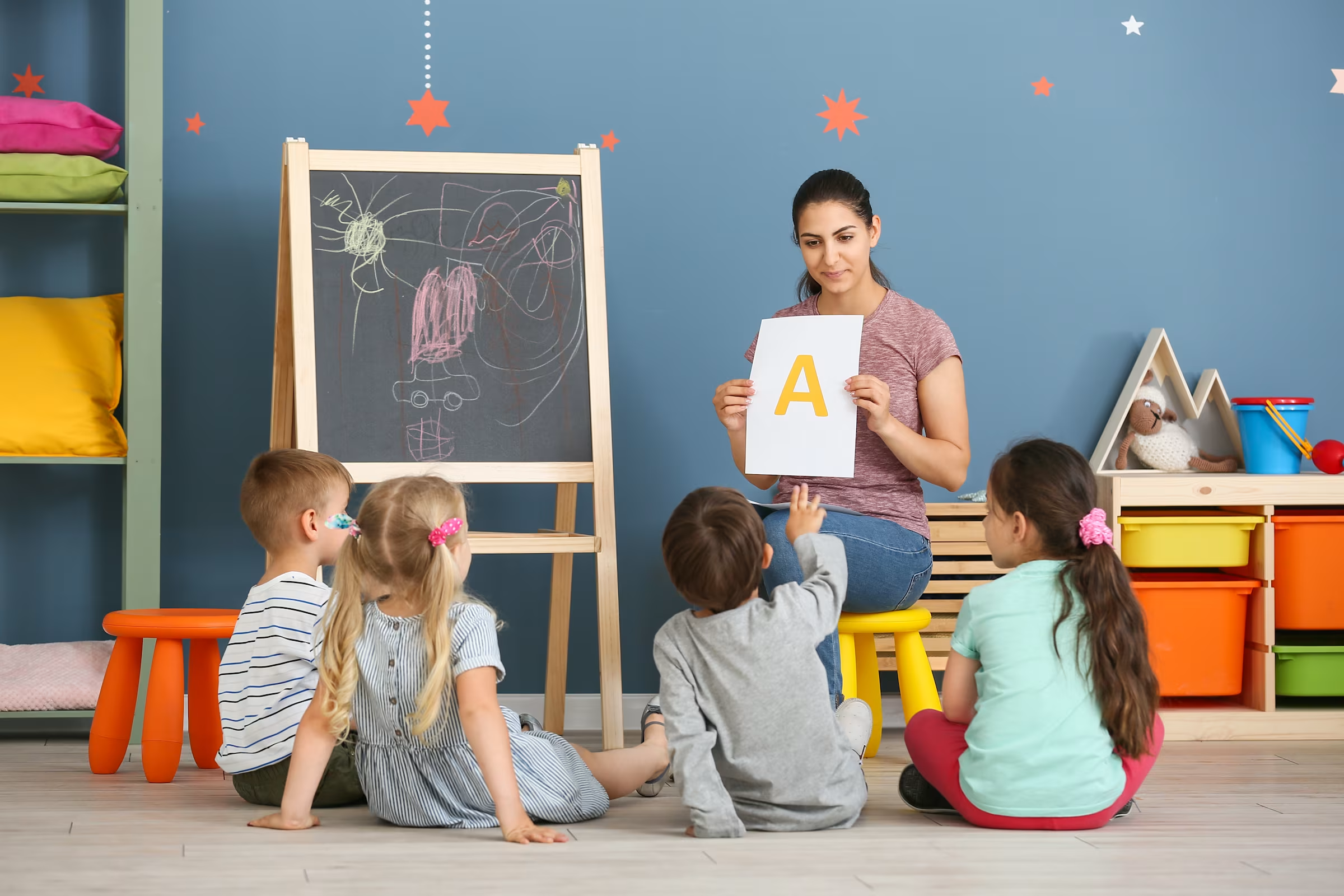
Credit: Pixel-Shot / Shutterstock
Early educators rarely get thanked for the small things. They learn a child’s word for rooster. They keep a phone charged for the translation app. They sit down with a kindergarten teacher they have never met. In this Thanksgiving week episode, two guests look at how those everyday acts help young children feel they belong, one inside the classroom and the other in the handoff to kindergarten.
What Do Small Moments Tell a Child?
Caitlin Malloy directs a school in Cambridge, Massachusetts. She wrote for EdSurge about a proposed federal rule that would require Head Start programs to teach only in English, and why she thinks teachers would lose out along with children. Her worry is that educators would hesitate to answer a child in a home language, and that silence sends its own message. Over time, that strain could add to burnout and turnover.
Her clearest example is a rooster. When a historic gold rooster came down from the church that houses her school, a Portuguese-speaking girl and Malloy compared what a rooster says in each language. The girl laughed hard at the English version. Malloy calls it serve and return, the back and forth between child and adult that researchers at Harvard link to brain development. Studies matter, she says, but a bar chart can’t show a moment like that, so teachers should tell their stories too.
Why Does Kindergarten Feel Like Starting Over?
David Jacobson leads First 10 at the Education Development Center. In most communities, he says, a gap separates early childhood programs from K-12, which turns the move to kindergarten into an abrupt adjustment for children and families. His answer is continuity: experiences that are safe, stable and connected across settings and years.
He suggests that schools think of every child in their neighborhood as a soon-to-be student. In his model, a school and its early childhood partners might run a six-week play and learn series, where families read, do crafts and sometimes meet a kindergarten teacher. Families he interviewed told him they had felt lonely before it began.
A district that can’t go all in can still begin. Find the early childhood programs that send children to your school, meet their directors and stretch the transition into the spring instead of relying on one orientation.
Stories Mentioned in This Episode
My Preschool Students Taught Me What Educators Lose in English-Only Programs by Caitlin Malloy
Why the Jump to Kindergarten Is So Hard and How to Fix It by Ira Apfel
Popular on EdSurge
Voices of Change
The Day the Take-Home Essay Died: How I Stopped Grading AI and Started Designing Real Learning
Tambra ClarkRead Next




Opinion
Early Learning

Voices of Change
Coding
How Coding Can Cultivate Deep Civic Engagement

Voices of Change
Artificial Intelligence